

Department of Engineering Technology & Surveying Engineering
Welcome to ETSE!
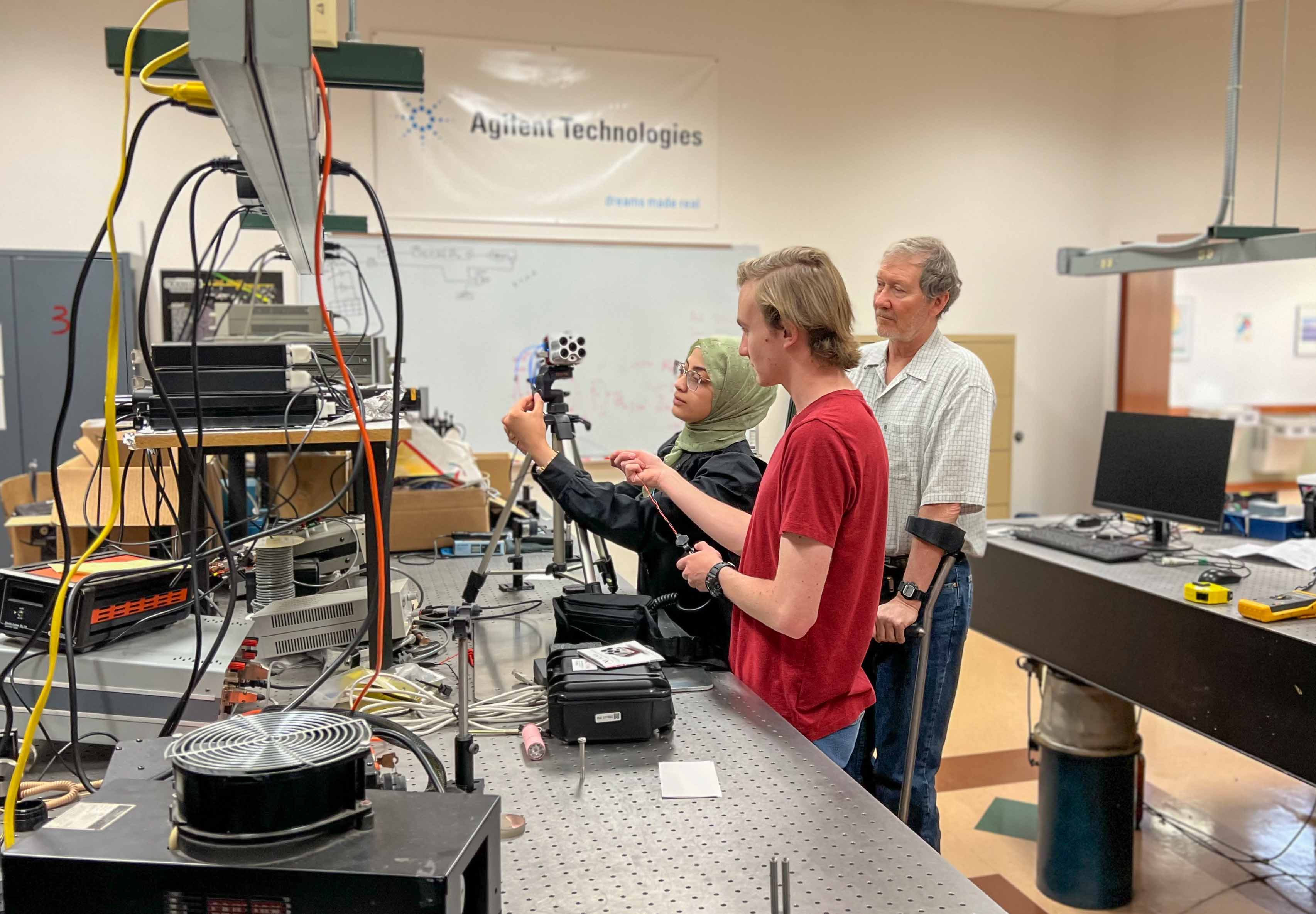
Do you want a great career? Hands-on engineering, design, and prototyping? Work with computer systems, electronics, machines, or construction equipment? Make a difference for yourself and your community?
Consider joining the ETSE family. A degree in Engineering Technology or Geomatics creates great opportunities and leads to success stories.
Our Mission Statement
The mission of the Department of Engineering Technology and Geomatics is to provide a student‑centric education through experiential learning to prepare students for a rewarding career.
Our Programs
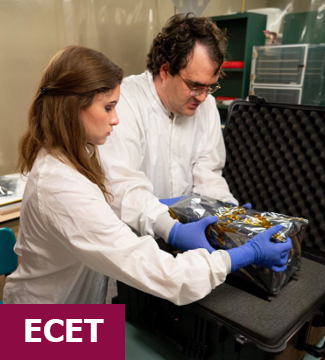
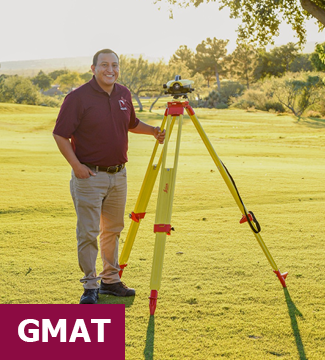
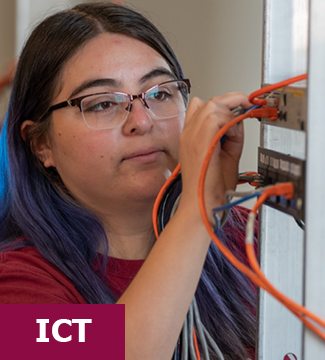

Our Mission Statement
The mission of the Department of Engineering Technology and Geomatics is to provide a student‑centric education through experiential learning to prepare students for a rewarding career.
- Faculty work closely with students and each other to foster a family-like environment.
- Core courses have labs with team projects and hands-on learning experiences.
- Graduates advance to enhanced career opportunities with competitive compensation.
Our goal is to help students from diverse backgrounds reach their potential and become successful engineers, technologists, and leaders in the region and nationwide.
Overview
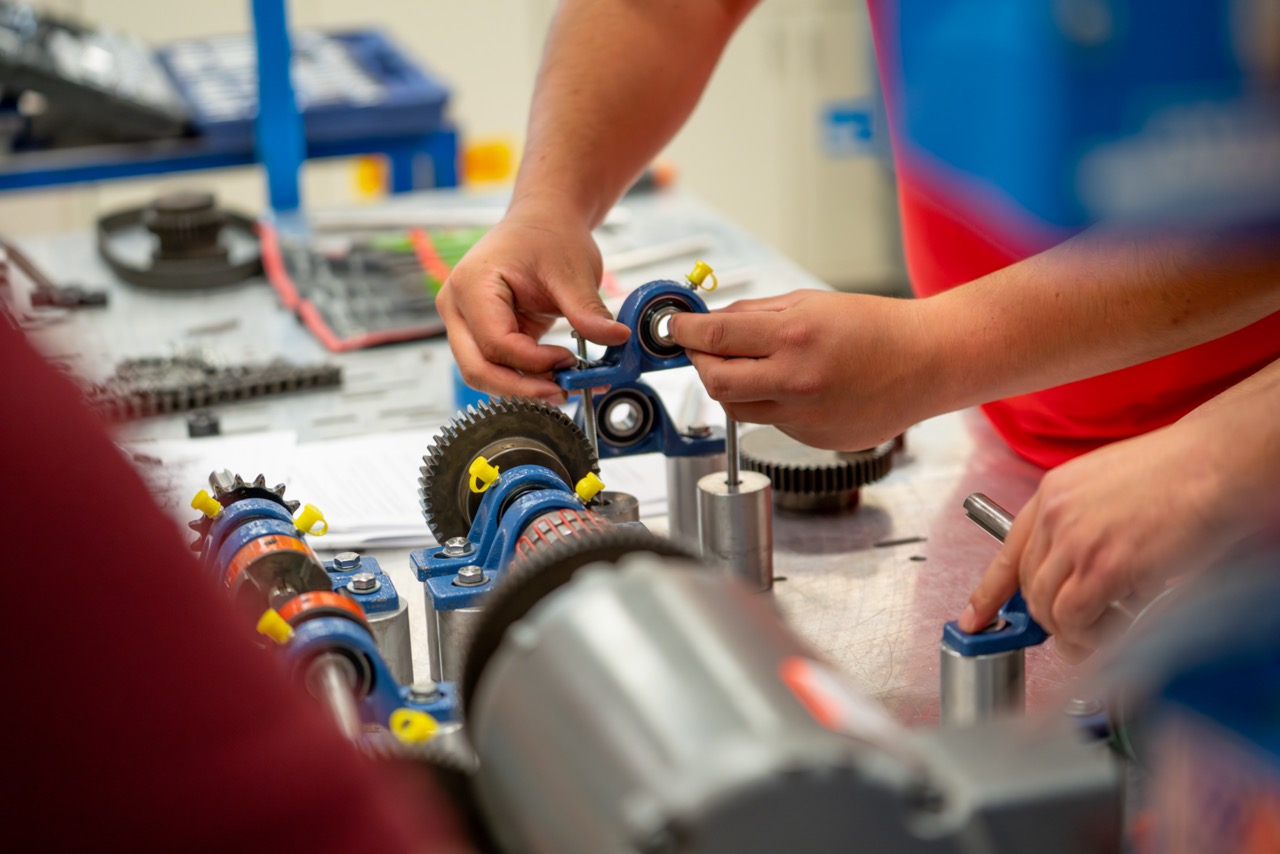
Our programs bridge theory and application, prioritizing hands‑on implementation of engineering principles. Students design, construct, and test systems through immersive labs and teamwork.
What is Engineering Technology?
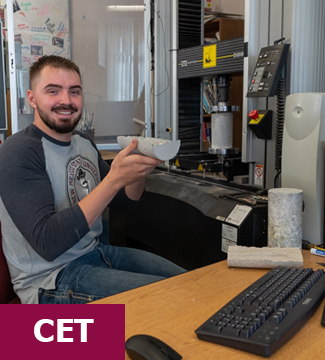
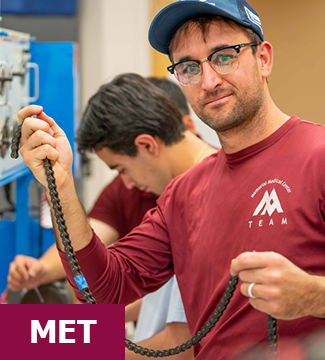
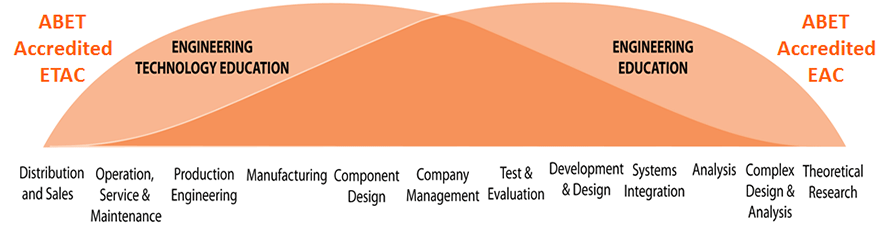
Engineering Technology emphasizes applying techniques rather than developing concepts. It blends mathematics, computers, hands‑on experience, and communication to prepare students for practical careers with independence and responsibility.
What is Geomatics?
Geomatics focuses on acquiring and analyzing precise spatial information using UAVs, GNSS, 3D laser scanners, satellite imagery, and GIS. It supports infrastructure design, resource management, and coastal monitoring systems.
Program Videos
Stay Updated!
NMSU College of Engineering News

Check out our latest news!
NMSU College of Engineering
@nmsuengineering

Check out our latest updates and stay connected with us on Facebook!
Visit Page →
NMSU Engineering
@coenm

Check out our latest updates and stay connected with us on LinkedIn!
NMSU College of Engineering
@nmsu_engr

Check out our latest updates and stay connected with us on TikTok!
Visit Page →
NMSU College of Engineering
@nmsu_engr

Check out our latest updates and stay connected with us on Instagram!
Visit Page →
NMSU College of Engineering
@nmsuengineering

Check out our latest updates and stay connected with us on YouTube!
Visit Page →